Get Home Air Quality Testing
Home air quality testing services help property owners identify issues like mold, allergens, or pollutants through inspections performed by local contractors.
Home air quality testing services provide a practical way for property owners to assess the air inside their buildings. Whether you're concerned about allergens, pollutants, or indoor odors, understanding the current air conditions can help inform maintenance or improvement projects. Exploring options for testing and comparing local contractors can ensure you find qualified service providers capable of addressing your specific needs.
Property owners in the area might consider air quality testing to support health and comfort, especially if there have been recent renovations, unusual odors, or signs of mold. By reviewing available local contractors, you can plan your next steps confidently and select experienced professionals suited to your property. Keep reading to discover how local experts can assist with your air quality concerns.
- Home Air Quality Testing - when homeowners notice persistent odors or unexplained allergy symptoms indoors.
- Indoor Air Quality Assessment - if there is concern about airborne pollutants affecting health or comfort.
- Ventilation System Evaluation - to determine if existing systems are effectively improving indoor air circulation.
- Mold and Mildew Detection - when visible growth or musty odors suggest hidden moisture issues indoors.
- Radon Testing Services - in areas where radon exposure risks are a concern for residents.
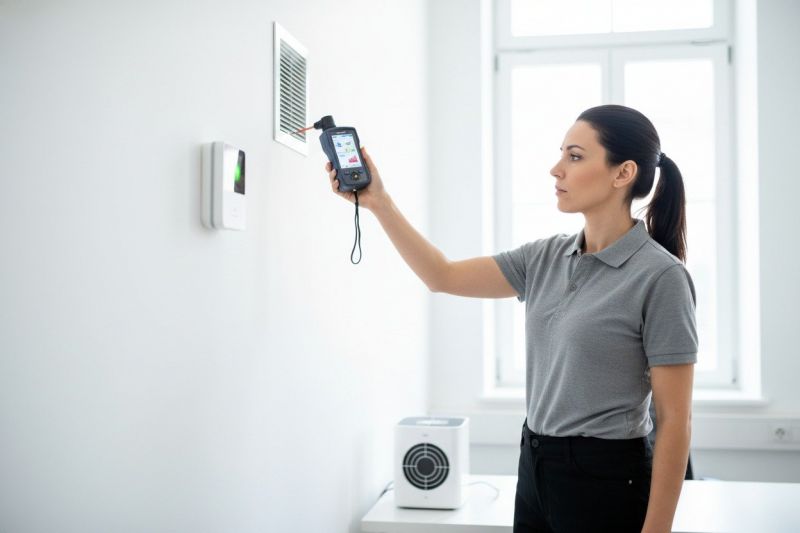

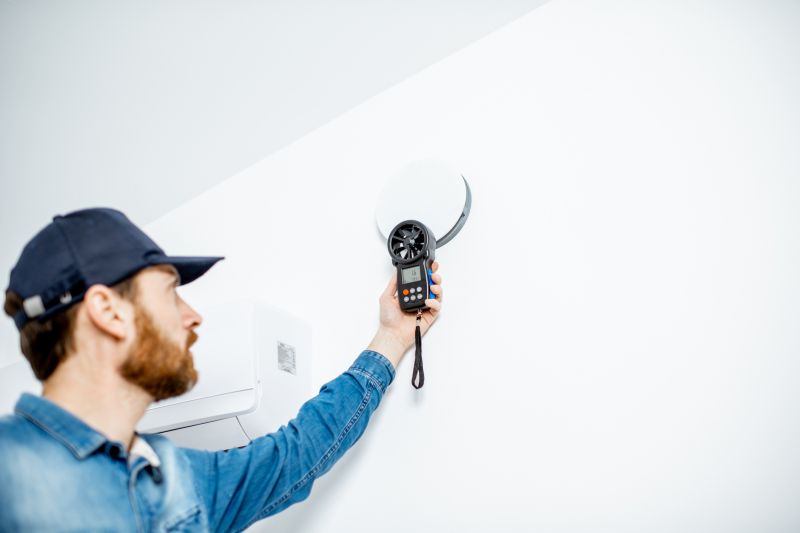
Home air quality testing services involve a thorough assessment of the indoor environment to identify pollutants, allergens, and other airborne contaminants. Professional contractors typically set up specialized equipment to monitor air for common issues such as dust, mold spores, pet dander, volatile organic compounds (VOCs), and other substances that can affect health and comfort. This testing provides a clear picture of indoor air conditions, helping homeowners understand whether their environment is safe and healthy or if improvements are needed.
These services are particularly useful for addressing ongoing health concerns, such as allergies, asthma, or respiratory issues that seem to worsen indoors. They can also help identify sources of musty odors, persistent dust, or unexplained symptoms among household members. By pinpointing specific airborne problems, homeowners can take targeted steps to improve air quality, which may include ventilation improvements, air purification, or addressing mold growth. Testing can also be valuable after renovations or new construction to ensure that indoor air remains safe and free from harmful pollutants.
Home air quality testing is often sought by owners of various property types, including single-family homes, apartments, condos, and multi-unit buildings. It is especially relevant for properties with recent remodeling, water damage, or visible mold growth. Additionally, homes with pets, smokers, or residents with sensitivities may benefit from regular testing to maintain a healthy living space. Commercial properties, such as small offices or rental units, may also use these services to ensure a safe environment for occupants.
If concerns about indoor air quality arise or if there is a desire to verify the safety of a living or working space, contacting local contractors who specialize in air quality testing can provide answers. These professionals use industry-standard equipment and techniques to identify issues accurately. Homeowners can then use the insights gained to make informed decisions about improving their indoor environment, creating a healthier, more comfortable home.
The overview below groups typical Home Air Quality Testing projects into broad ranges so you can see how smaller, mid-sized, and larger jobs often compare in your area.
In many markets, a large share of routine jobs stays in the lower and middle ranges, while only a smaller percentage of projects moves into the highest bands when the work is more complex or site conditions are harder than average.
Basic Testing - typical costs for standard home air quality tests range from $150 to $400. Many routine assessments fall within this range, depending on the size of the property and testing complexity.
Comprehensive Analysis - more detailed testing services, including multiple sample points or advanced analysis, generally cost between $400 and $900. Larger or older homes may see higher costs, but most projects stay within this band.
Specialized Testing - tests for specific pollutants like mold or volatile organic compounds (VOCs) often range from $500 to $1,200. These jobs are less common but can be necessary for certain concerns or property types.
Full System Evaluation - full assessments involving multiple tests and detailed reporting can reach $1,500 or more. Larger, complex projects are less frequent but may exceed this range depending on the scope of work.
Actual totals will depend on details like access to the work area, the scope of the project, and the materials selected, so use these as general starting points rather than exact figures.
Indoor Air Quality Testing - professionals who assess air quality levels inside homes, similar to testing for pollutants and allergens.
HVAC System Inspection - contractors who evaluate heating, ventilation, and air conditioning systems to ensure proper airflow and filtration, supporting air quality improvements.
Mold Inspection and Remediation - specialists who identify mold presence and recommend removal strategies, closely related to maintaining healthy indoor air conditions.
Ventilation System Installation - service providers who set up or upgrade ventilation solutions to promote better air circulation and quality.
Radon Testing Services - experts who measure radon levels in homes, a key aspect of indoor air safety and quality.
Air Purifier Installation - technicians who recommend and install air purification devices to reduce airborne contaminants in residential spaces.

When comparing service providers for home air quality testing, it’s important to consider their experience with similar projects. Homeowners should look for local contractors who have a proven track record in conducting thorough air quality assessments in residential settings. An experienced professional will understand the common issues that can affect indoor air and be familiar with the best methods to identify potential problems accurately. This familiarity can help ensure that the testing is comprehensive and that any recommendations are based on practical knowledge of typical home environments.
Clear written expectations are essential when evaluating potential service providers. Homeowners should seek out local contractors who can provide detailed descriptions of their testing procedures, the scope of the assessment, and what results or reports will be delivered. Having this information upfront helps prevent misunderstandings and ensures that both parties are aligned on what to expect from the service. Clear communication about the process also indicates professionalism and a commitment to transparency, making it easier to compare options objectively.
Reputable references and good communication are key factors in selecting a reliable home air quality testing provider. Homeowners are encouraged to ask for references or reviews from previous clients to gauge the quality of work and customer satisfaction. Additionally, service providers who demonstrate prompt, clear, and responsive communication are often more dependable, as they show a willingness to address questions and provide guidance throughout the process. It’s important to remember that this site introduces homeowners to local options and does not perform the testing itself, but focusing on these qualities can help identify trusted professionals capable of delivering thorough and effective assessments.
Property owners use Home Air Quality Testing services for practical projects around their homes and businesses. This guide focuses on everyday jobs and straightforward project options.
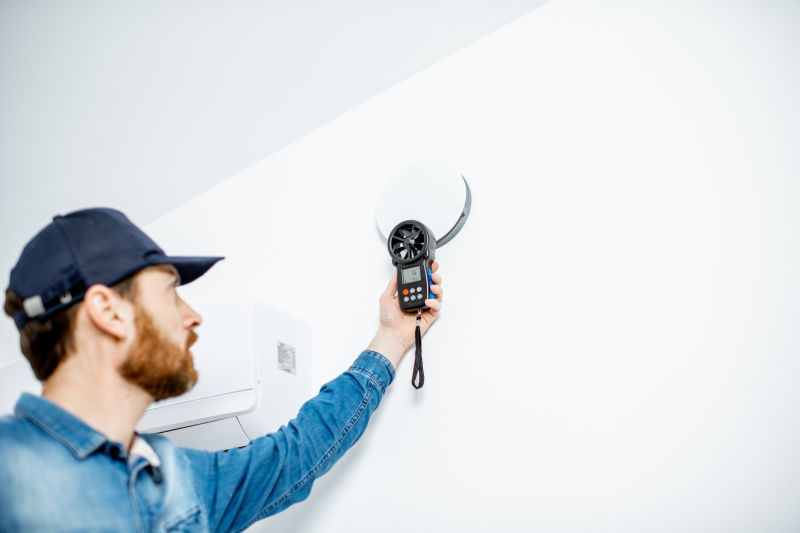
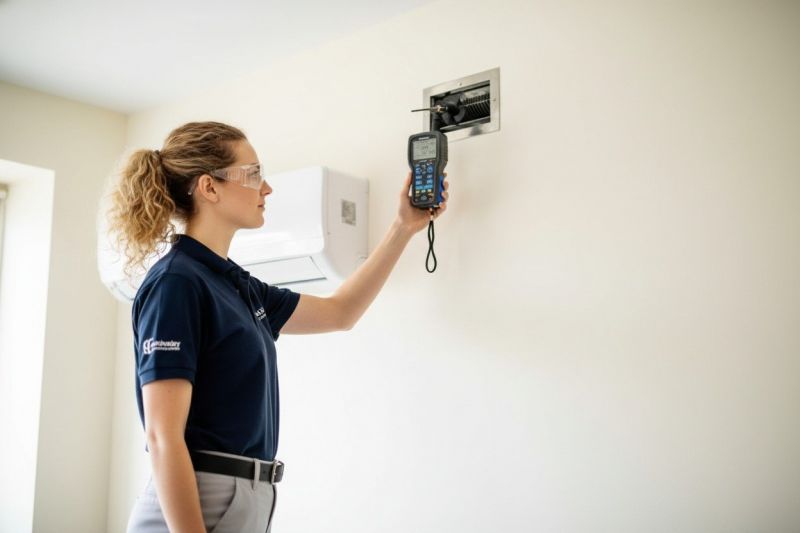
Homeowners in the area often seek air quality testing services when they notice persistent odors, allergic reactions, or unexplained respiratory issues within the property. Whether it’s due to recent renovations, new furnishings, or ongoing concerns about dust and pollutants, local contractors can perform assessments to identify potential airborne contaminants. These tests can help property owners better understand the indoor environment and determine if further steps are needed to improve air freshness and safety.
Additionally, property owners may consider air quality testing when preparing for a move or after experiencing water damage or mold growth. Regular testing can be an important part of maintaining a healthy living space, especially for households with children, elderly residents, or individuals with respiratory sensitivities. Local service providers offer the expertise to evaluate indoor air conditions, providing valuable insights that support a healthier, more comfortable home environment.
What is home air quality testing? Home air quality testing involves measuring the levels of pollutants, allergens, and other airborne substances inside a residence to assess indoor air conditions.
Why should I consider air quality testing? Testing can help identify potential health hazards caused by pollutants, mold, or allergens, enabling homeowners to take appropriate actions to improve indoor air.
How do local contractors perform air quality testing? Service providers typically use specialized equipment to collect air samples and analyze them for common indoor pollutants and allergens.
What types of contaminants can air quality tests detect? Tests can detect mold spores, volatile organic compounds (VOCs), dust, pet dander, and other airborne irritants.
Is professional air quality testing necessary? Professional testing provides accurate assessments that can help determine the need for remediation or improvements to indoor air conditions.
Indoor Air Quality Assessment - property owners can identify potential airborne pollutants that may affect health and comfort within their homes.
Mold and Mildew Testing - homeowners can detect hidden mold growth in damp areas to prevent structural damage and health issues.
Ventilation System Evaluation - residents can ensure their ventilation systems are effectively circulating clean air throughout the property.
Allergen and Dust Testing - individuals can assess levels of common indoor allergens to improve overall indoor air quality.
If you are thinking about Home Air Quality Testing for a property, this guide is meant to help you understand the work, the typical project types, and how different options might fit your plans.
When you are ready, you can use the quote form on this page to share a few details about your project. From there, local pros can review the basics and respond with options that match what you have in mind.